Selling situations
Selling a rental property with tenants
A tenancy is not an obstacle to be cleared before a sale. It is part of what is being sold, and a sale does not by itself end it.
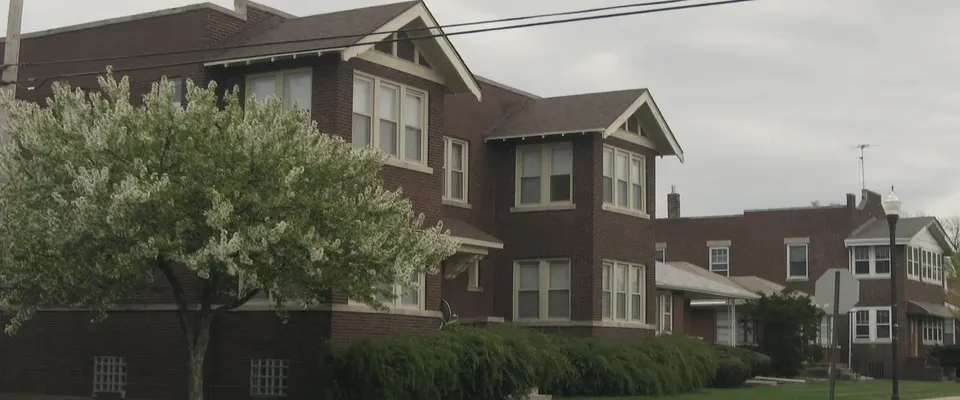
A sale does not automatically end a tenancy
Selling a property does not necessarily end a valid lease. What happens next depends on the lease itself, the transaction, and applicable law. In many cases an existing lease continues after a sale and the new owner takes on the landlord’s position — but that is not automatic, and it is not something we can tell you with certainty about your property.
What this means in practice: selling is often possible without your tenants leaving first, and you should be wary of anyone who tells you a sale by itself removes them. Accepting an offer does not terminate a tenancy. Landlord–tenant law in both Michigan and Indiana governs what a landlord may and may not do, and it continues to apply to you throughout a sale.
Bayfront does not provide legal advice and does not resolve disputes between a landlord and a tenant. Where lease rights, notice, deposits or a tenant’s position are unclear or contested, get legal guidance before you act — that is worth doing before you talk to anyone, us included.
Landlord fatigue is a real reason to sell
And in both these states, small landlords are common
A large share of the rental housing in Michigan and Indiana is not owned by institutions. It is single houses, and two- to four-unit buildings, owned by people with day jobs. In Flint, about a third of all occupied housing is a rented single-family house; statewide in Michigan the figure is closer to a tenth. Marion County, Indiana is only about 56.5% owner-occupied.
Source U.S. Census Bureau, American Community Survey, tables B25003 and B25032 · 2020–2024 five-year estimates, published 29 January 2026 · State of Michigan, City of Flint and Marion County, Indiana. Accessed 7 August 2026.
If you have reached the point where the property costs you more in attention than it returns, that is a perfectly ordinary reason to sell, and it does not require anything to have gone wrong.
What makes an occupied sale straightforward
Mostly, the paperwork you already have
The lease itself
Signed copies, for every unit, including any amendments and renewals. If a tenancy has rolled month to month, that is worth stating clearly.
Rent and payment history
What the rent is, when it was last increased, and whether payments are current. Arrears do not prevent a sale, but they need to be known rather than discovered.
Security deposits
How much is held and where. Deposits are the tenant’s money and both states regulate how they are handled — they are usually transferred to the new owner at closing, and the records matter.
Access to look at the property
Any buyer needs to see it, and tenants have rights around notice and quiet enjoyment. One arranged visit is usually enough for us, which is generally easier on a tenant than repeated viewings.
Talking to your tenants
How and when you tell them is your decision. Most tenants’ first question is whether they have to leave — and if the lease continues, the honest answer is usually no.
Condition and outstanding repairs
Including anything a tenant has reported and is waiting on. Repair obligations do not disappear because a sale is being discussed.
Choosing a route
Selling occupied: the two routes
You know your situation better than we do. Here is the short version of each.
-
List it publicly
Fits homeowners who want broad exposure to the open market.
-
Take an offer from us
Fits homeowners who want an as-is sale and a simpler process.
-
Hold on to it for now
Still an option when selling is not yet the right decision.
Whichever way you lean, we are happy to talk it through.
Selling to us
How selling to us works
Six things worth knowing before you get in touch.
We look at the actual house
The condition, the title, and what you are hoping to do — not an address run through a calculator.
Sell as-is
No repairs to arrange first, no contractors to chase, and no clearing the place out before anyone will look at it.
No agent commissions
You are selling directly, so there is no listing commission coming out of the sale, and you can sell as-is without making repairs first.
No showings or staging
Usually one visit, sometimes none at all. You are not keeping the house tidy for strangers on a Sunday afternoon.
We put it in writing
The price and the closing date are written down, so what you agreed to is on the page rather than in somebody’s memory.
Take your time
Read it at your own pace, ask us about anything in it, and have an attorney or a real-estate professional look it over first. We would encourage that.
Tenants are not a problem you have to solve first
You do not need to end a tenancy, move anyone on, or wait for a lease to run down before you can sell. The tenancy is part of what is being bought, and we will take the property as it stands.
See also: selling a house that needs work, selling in Michigan, selling in Indiana and selling in Florida.
Tell us about the property and the tenancy
Send the basics — including the tenancy — and we will walk you through how a sale with the tenants in place would work.
Tell us about your property Call (269) 389-9961
Sending the form starts a conversation. It is not an offer, and it does not commit you to anything.