Selling situations
Selling a house as-is
“As-is” describes what you will not do. It does not describe what a buyer will not look at — and the difference between those two things is where most misunderstandings start.
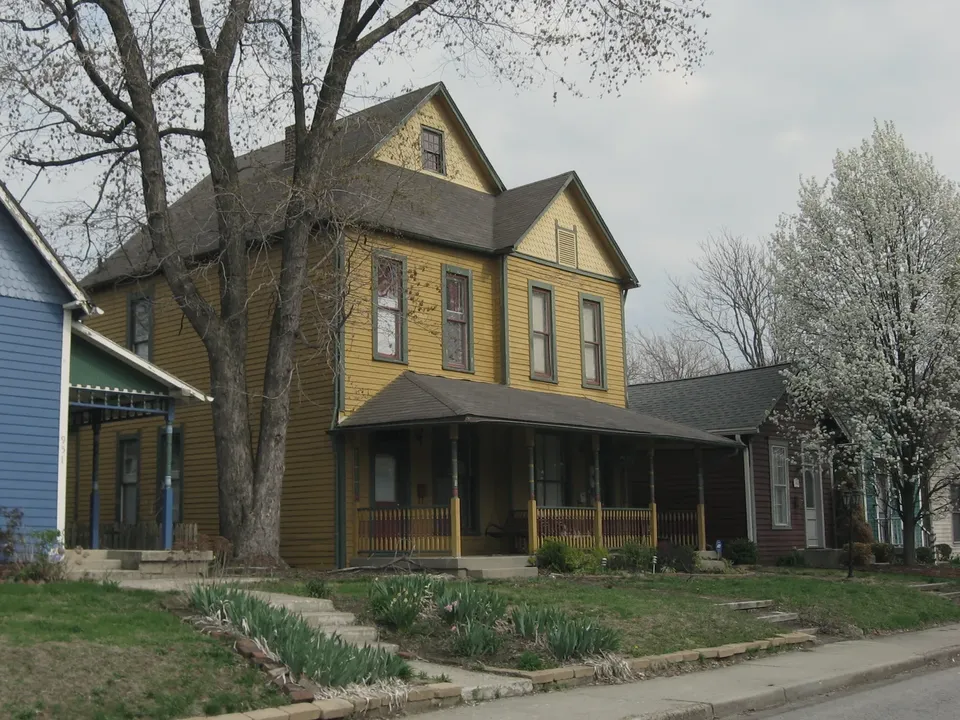
What as-is actually means
Selling as-is means you are not agreeing to carry out repairs before the sale, and you are not agreeing to reduce the price later because of what an inspection finds. It is a statement about your obligations. It is not a statement about the property’s condition, and it is not a magic phrase that removes the condition from the transaction.
- The property is still evaluated. Any serious buyer looks at it, and we look at it too. As-is does not mean sight-unseen. What it means is that what we find changes the number, not the list of things you are being asked to fix.
- Disclosure obligations do not disappear. Selling as-is generally does not release a seller from the duty to disclose known material defects. Both Michigan and Indiana have seller-disclosure requirements. Selling as-is and failing to mention a known problem are two different things, and only one of them is allowed.
- Title issues still have to be resolved. Liens, unpaid taxes, boundary problems, an unresolved estate, a missing signature from a former spouse — none of these are condition issues, and none of them are solved by an as-is sale. They have to be cleared for the property to transfer.
- The condition is priced in, not held against you. We look at what the house needs and account for it in the proposed price, so the work becomes our job after closing rather than yours before it.
- Send us the complicated ones. Structural, environmental and title complications do not rule a property out. Tell us what you know about it and we will come back to you quickly.
Why old housing complicates a sale
Michigan and Indiana have old housing
A house does not have to be in bad shape to be hard to sell. It only has to be old enough that a lender starts asking.
About 62.1% of Michigan’s homes and 55.0% of Indiana’s were built before 1980. Michigan’s median build year is 1972 and Indiana’s is 1976. Roofs, furnaces, wiring and plumbing all have lifespans, and a great many houses in both states are at or past the point where those things come due at once.
Source U.S. Census Bureau, American Community Survey, tables B25034 and B25035 · 2020–2024 five-year estimates, published 29 January 2026 · State of Michigan and State of Indiana. Accessed 7 August 2026.
That is the ordinary situation behind most as-is sales. Not a disaster — simply a house that has reached the age where the work needed exceeds what the owner wants to take on before selling.
Choosing a route
Repair and list, or sell as it stands
You know your situation better than we do. Here is the short version of each.
-
List it publicly
Fits homeowners who want broad exposure to the open market.
-
Take an offer from us
Fits homeowners who want an as-is sale and a simpler process.
-
Hold on to it for now
Still an option when selling is not yet the right decision.
Whichever way you lean, we are happy to talk it through.
Selling to us
How selling to us works
Six things worth knowing before you get in touch.
We look at the actual house
The condition, the title, and what you are hoping to do — not an address run through a calculator.
Sell as-is
No repairs to arrange first, no contractors to chase, and no clearing the place out before anyone will look at it.
No agent commissions
You are selling directly, so there is no listing commission coming out of the sale, and you can sell as-is without making repairs first.
No showings or staging
Usually one visit, sometimes none at all. You are not keeping the house tidy for strangers on a Sunday afternoon.
We put it in writing
The price and the closing date are written down, so what you agreed to is on the page rather than in somebody’s memory.
Take your time
Read it at your own pace, ask us about anything in it, and have an attorney or a real-estate professional look it over first. We would encourage that.
Worth saying out loud
A traditional listing remains a completely valid option for a house that needs work — particularly in a market where buyers are competing, which much of Indiana currently is. Some agents specialise in exactly this. If your property would do better that way, that is the advice you should be getting, and we will give it.
See also: selling an inherited house, selling with tenants, Michigan, Indiana and Florida.
Tell us what the house needs
A rough description is enough to start. We will tell you whether it is something we can work with, and what we think it is worth doing instead if not.
Tell us about your property Call (269) 389-9961
Sending the form starts a conversation. It is not an offer, and it does not commit you to anything.